
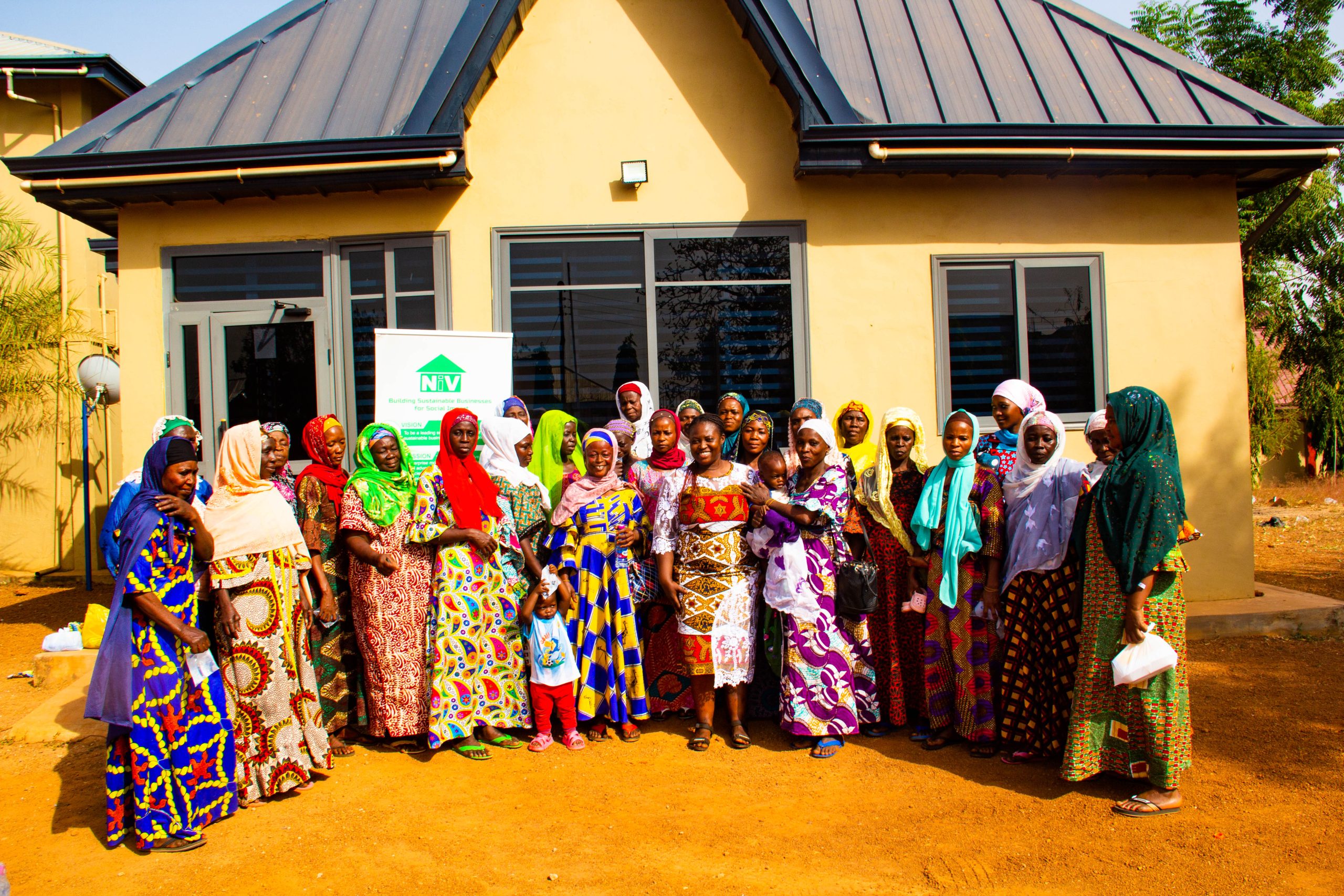
Women farmers in the Tolon District and Sagnarigu Municipality have benefited from a two-day capacity building workshop aimed at strengthening post-harvest handling and business skills to improve incomes and reduce losses. The workshop was organized under the Skills Training and Economic Prosperity Project (STEP), an Empower The Emerging Markets-funded project focused on market access and sustainable livelihoods for rural women farmers.
The training brought together women farmers engaged mainly in rice, maize, soybean, pepper, and other staple crop production. It addressed key challenges identified during community engagements and value chain assessments, including high post-harvest losses, limited storage and processing options, high input costs, and weak bargaining power in markets.
Day One of the workshop focused on Post-Harvest Handling and Management. Sessions covered harvesting techniques and maturity indices, cleaning, sorting, grading and packaging, as well as storage and transportation techniques. Participants also explored value addition practices and loss reduction strategies, with practical discussions on how processing crops such as maize into flour, soybeans into soy products, and pepper into dried pepper can increase income and reduce spoilage.
On Day Two, attention shifted to Business Skills Development for Women Farmers. Participants were trained on basic business skills, understanding farm costs, marketing, negotiation, and confidence building. The sessions emphasized treating farming as a business, helping women farmers understand profit, plan better, and make informed decisions about selling their produce. The day ended with action planning, evaluation, and commitments by participants to apply the knowledge gained individually and collectively.
Throughout the workshop, facilitators used participatory methods, short energizer activities, and real-life examples from the women’s own farming experiences to encourage active engagement. The training also highlighted the importance of group action, such as collective input purchase, shared tractor access, and group marketing, as a strategy to overcome challenges related to cost, transport, and market access.
Speaking during the closing session, participants expressed appreciation for the practical nature of the training, noting that it addressed real problems they face, including unfair market prices, lack of storage, high labor costs, and limited access to credit. Many women also showed interest in value addition and working together as groups to improve their bargaining power and incomes.
The workshop forms part of the STEP Project’s market access component, which seeks to ensure that rural women farmers do not only produce food, but also earn sustainable incomes from agriculture.



No comment